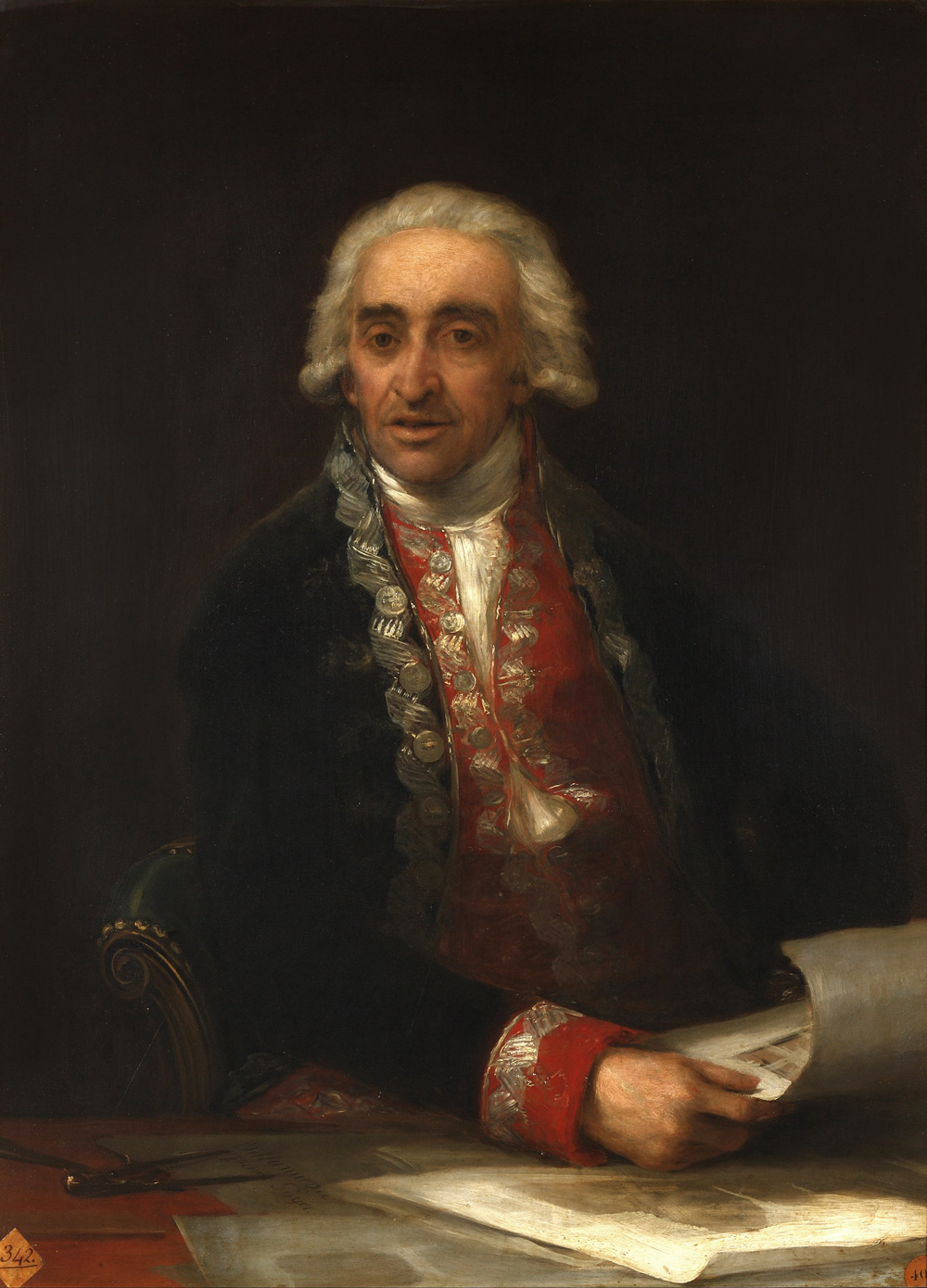
Juan de Villanueva
Juan de Villanueva is the most important architect and the greatest champion of the neoclassical style from the second half of the 18th century in Spain.
Educated at the Royal Academy of Fine Arts of San Fernando, in Madrid, he managed to obtain a scholarship to Rome in 1758, where he spent seven years studying architecture and models of antiquity. On his return to Spain he was appointed academician of merit and, in 1777, architect to the Prince of Asturias. His style owes much to a fondness for severe forms and strict adherence to rules of proportion, and notably to the austerity of Juan de Herrera’s royal palace, monastery and pantheon complex at the Escorial, which was built for Philip II in the 16th century.
Juan de Villanueva served the crown during the reigns of Charles III and Charles IV. He designed the Prado Museum, the Royal Observatory of Madrid and the Casitas del Escorial, which were summerhouses for the princes. He was also responsible for the decoration of the house of the Duke of Alba during the celebration of 1789.
For more information click here.